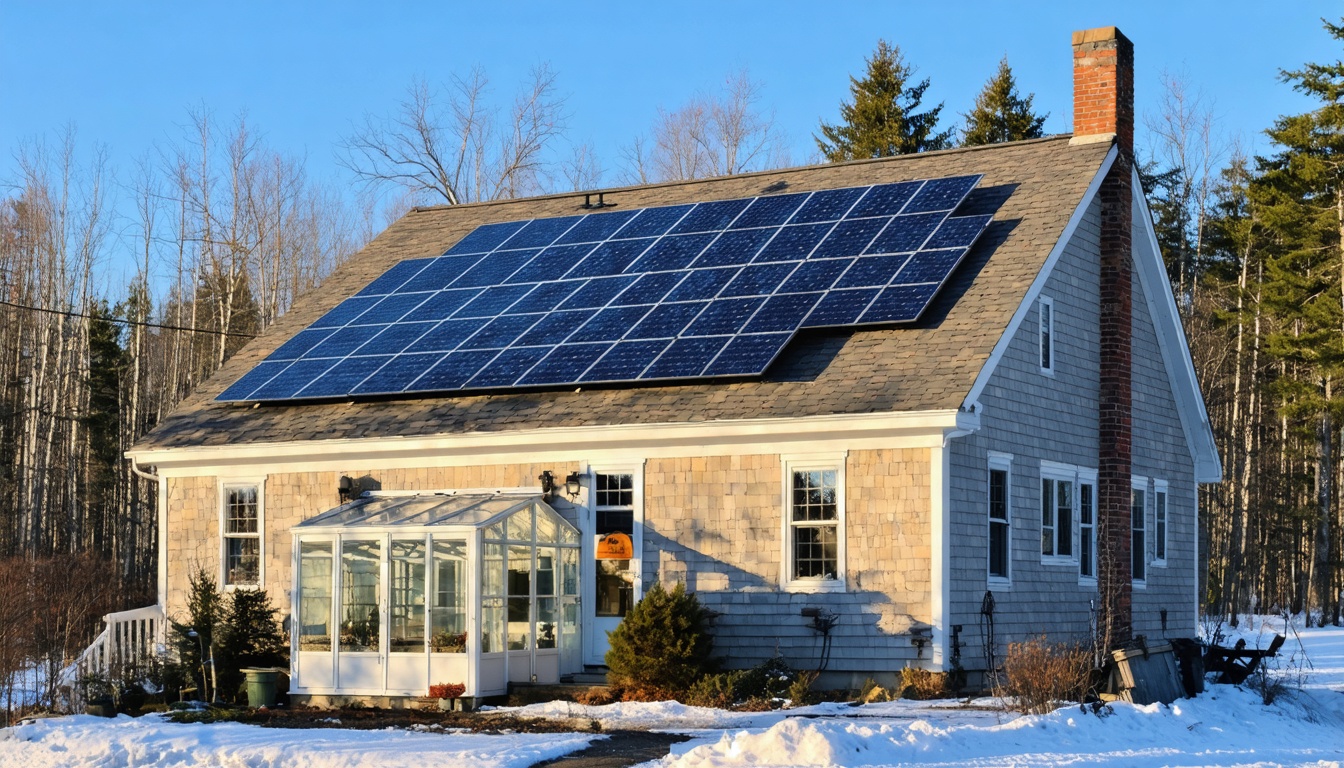
How New Hampshire Homeowners Can Make the Most of Their Solar Potential
If you are considering installing solar panels on your New Hampshire home, it is important to understand the potential financial benefits and environmental impacts. Solar energy systems can lead to reduced electricity bills and contribute to a more sustainable energy landscape. Factors such as system size, financing options, and technological advancements play a significant role in determining savings and system performance. In New Hampshire, homeowners can take advantage of various incentives, including federal tax credits and state-specific programs, which can enhance the overall financial feasibility of solar installations. It is essential to evaluate these incentives as they can significantly reduce upfront costs. When assessing solar options, one must consider the specific energy requirements of the household, as well as the orientation and shading of the property, which affect solar production. Additionally, advancements in solar technology, such as more efficient panels and battery storage solutions, can further influence the effectiveness of a solar system. Before proceeding with installation, it is advisable to conduct a thorough analysis, including an evaluation of current energy consumption, long-term energy needs, and a comparison of financing options. Engaging with reputable solar contractors can provide insights into the best practices for installation, maintenance, and maximizing energy production. By approaching the decision methodically and informed, homeowners can optimize their solar investment and contribute to a more sustainable energy future in New Hampshire.
Assessing Your Household’s Solar Needs
To effectively evaluate the potential benefits of solar energy for your household, it is important to conduct a comprehensive analysis of your energy requirements. Start by examining your monthly electricity usage to ascertain the appropriate capacity for a solar energy system.
In New Hampshire, the typical solar system size is approximately 11 kilowatts; this size is influenced by the state's relatively high electricity costs, which can make solar energy an economically viable option for reducing utility expenses. For more information on solar panel options tailored to New Hampshire homes, visit https://solarpanelsnewhampshire.com/.
It is also important to consider external factors that might affect solar energy production, such as local weather patterns, and to plan for the long-term, as the average warranty for solar panels extends over several decades.
Researching available financial incentives, including rebate programs, net metering, and tax credits, can lead to significant economic advantages, potentially resulting in thousands of dollars in savings over the system's lifetime.
Consulting with a qualified solar installation professional is recommended to evaluate your roof's specific suitability for solar panel installation.
Be mindful that any surplus energy your system produces can often be distributed back to the grid, which may enhance overall savings.
By addressing these key considerations, you will be better equipped to make an informed decision about installing solar energy in your residence.
Comparing Costs and Financing Options
When evaluating the transition to solar energy in New Hampshire, a careful analysis of both costs and financing options is crucial. The typical price range for solar systems in the state is between $29,004 and $39,240. Prospective buyers can choose from various financing methods, including cash purchases, solar loans, leases, and power purchase agreements (PPAs), which can help reduce the initial financial burden associated with installation.
Incentives play a key role in enhancing long-term savings connected to solar energy. The Solar Investment Tax Credit (ITC), property tax exemptions, and various state-level incentive programs can significantly lower the overall costs of adopting solar technology. Additionally, New Hampshire's net metering policies allow homeowners to sell excess electricity generated by their solar systems back to the grid, which can contribute to decreasing their electricity bills.
It is worth noting that local weather patterns and the amount of sun exposure can affect the efficiency of solar systems as well as the financial returns on the investment.
As such, it is advisable for individuals to thoroughly review all financing agreements, utility company terms, privacy policies, and any applicable incentives prior to proceeding with the installation of solar energy systems. This comprehensive evaluation can facilitate a more informed decision-making process regarding the investment in solar energy.
Exploring Available Solar Incentives
Incentives are crucial for New Hampshire homeowners considering solar energy due to their impact on reducing installation costs. The state has a Renewable Energy Generation Incentive Program that offers rebates aimed at offsetting some of the initial investment required for solar panel installations.
Additionally, there is a property tax exemption in place for solar energy systems, which can lead to long-term financial benefits by preventing increases in property taxes attributable to the value of the installed solar system.
Net metering is another important feature, enabling homeowners to receive credits for excess electricity generated by their solar systems that is fed back into the electrical grid. It is essential to recognize that the compensation rates for net metering may vary by utility provider, which can influence the overall savings realized by homeowners.
On a federal level, the Solar Investment Tax Credit allows homeowners to deduct a percentage of their solar system installation costs from their federal income taxes, further enhancing the financial incentives available.
Although New Hampshire's variable weather can influence solar energy generation, the combination of state and federal incentives provides a structured financial framework for homeowners to consider when investing in renewable energy.
This approach is particularly relevant for those assessing the economic viability of solar energy adoption in the state.
Ensuring Compliance with Local Regulations
Before initiating the installation of solar panels on your property in New Hampshire, it is important to understand local regulations and zoning laws that may apply. Different municipalities in New Hampshire can have specific restrictions related to the size and location of solar arrays, especially in areas designated as historic districts.
It is recommended to contact your local government office for detailed guidelines relevant to your location.
Additionally, it is prudent to review your town's privacy policy and terms of use regarding solar installations, as these documents provide important procedural requirements and limitations.
Early engagement with the utility company can also be beneficial, especially in relation to net metering. This arrangement allows homeowners to return excess energy generated back to the grid, which can lead to potential reductions in electricity bills and long-term financial benefits.
In cases where the installation of solar panels may not be practical, residents might consider community solar programs. These initiatives enable multiple participants to benefit from a shared solar facility, thereby providing a renewable energy source while keeping electricity costs within manageable limits.
Such programs contribute to a more sustainable approach to energy consumption within the community.
Selecting High-Quality Equipment and Installers
Selecting suitable solar equipment and a qualified installer is crucial for achieving optimal system performance and durability. In New Hampshire, it is important to focus on high-efficiency solar panels and reliable inverters, as these components need to endure local climatic conditions and meet household energy needs.
While premium brands may entail higher initial costs, they frequently come with extended warranties that can last several decades, potentially resulting in cost savings over the lifespan of the system.
When assessing potential installers, it is advisable to choose those who have been pre-screened and possess a proven track record in the industry. Asking for references and reviewing their privacy policies and Terms of Use can offer valuable insights into their reliability and professionalism.
Proper installation is critical for maximizing energy production, taking advantage of incentive programs, and ensuring that excess energy can be effectively returned to the grid.
Therefore, a systematic approach to selecting both solar equipment and installers is essential for ensuring long-term sustainability and financial effectiveness.
Maximizing Financial and Energy Savings
In New Hampshire, homeowners face relatively high electricity rates, which can make the adoption of solar power a viable option for reducing energy expenses. By investing in a solar energy system, residents may meet a substantial portion of their electricity requirements. Additionally, net metering enables homeowners to return excess electricity generated to the grid, earning credits that can offset future utility bills.
Several financial incentives are available to New Hampshire residents, including federal tax credits and state programs intended to mitigate the costs associated with solar installation. These incentives can lower both the initial investment and financing obligations for solar systems.
It is important to note that, despite varying weather conditions throughout the year, a well-designed solar power system has the potential to deliver significant savings over its operational lifespan, potentially totaling thousands of dollars.
Homeowners should carefully evaluate the terms of service, incentive frameworks, and privacy policies outlined by their utility providers prior to installing a solar power system. This careful assessment allows individuals to make informed choices that align with their financial objectives and energy consumption requirements.
Preparing for Power Outages with Battery Storage
New Hampshire's electrical grid is challenged by variable weather conditions and increasing energy demand. The integration of solar panel systems with battery storage offers a practical solution for maintaining power supply during outages.
Battery storage technology allows homeowners to store excess energy generated by solar panels, thereby reducing reliance on the utility grid and potentially lowering electricity costs.
During prolonged power outages, such as those that may occur during heat waves or due to public service interruptions, the energy stored can be used to meet household power needs. This capability fosters a level of energy self-sufficiency that can alleviate some of the financial burdens associated with dependence on conventional power sources.
Homeowners considering solar and battery installations should research the various programs and incentives that may be available. These could include net metering options, federal or state tax credits, financing opportunities, and related privacy policies.
It is important to evaluate the specifications and performance characteristics of potential battery systems to ensure they meet individual energy needs and contribute to long-term goals of energy independence. Thorough planning and assessment can enhance the effectiveness and benefits of adopting solar energy and battery storage technology.
Considering Environmental and Community Impact
Choosing solar energy for residential use in New Hampshire can lead to measurable reductions in electricity expenses while contributing to environmental sustainability efforts within the state. The implementation of solar energy systems can play a role in lowering greenhouse gas emissions and support the preservation of natural landscapes, alongside promoting practices that are beneficial for long-term energy sustainability.
In New Hampshire, net metering policies facilitate homeowners by allowing them to send excess energy generated from solar panels back to the electrical grid. This practice is beneficial for lowering monthly electric bills and may offer financial advantages over time, contingent on factors such as energy production levels and consumption habits.
Additionally, the state has various programs that provide incentives, tax credits, and financing options to assist residents in adopting solar energy solutions, taking into account the state’s often variable weather conditions.
Homeowners are encouraged to engage with their local utility providers or refer to official guides to acquire detailed information about rates, available financial incentives, and relevant privacy considerations.
This research is essential for making informed decisions regarding the adoption of solar energy and understanding its potential impacts on individual households as well as the wider community.
Conclusion
To optimize solar energy investments in New Hampshire, homeowners should begin by assessing their energy consumption and determining their specific energy needs. This foundational understanding can inform decisions regarding the size and capacity of a solar system. Researching available financing options, including loans, leases, and power purchase agreements, will also aid in identifying the most cost-effective approach to financing a solar installation. Moreover, homeowners should take advantage of federal, state, and local incentives designed to promote solar adoption. These incentives can significantly reduce the overall cost of a solar system, making it a more viable option for many homeowners. Selecting high-quality solar equipment and reputable installers is essential for maximizing the efficiency and longevity of the solar system. In addition to initial installation considerations, regular maintenance is necessary to ensure optimal performance and reliability over time. Homeowners should also remain informed about local regulations and permitting processes, as these can affect both installation and grid connection. Investing in solar energy not only has the potential to reduce utility expenses but also contributes to broader environmental sustainability efforts and community resilience. Given ongoing advancements in solar technology and the decreasing costs associated with it, integrating solar energy into one’s household energy strategy may prove to be a prudent long-term financial decision.