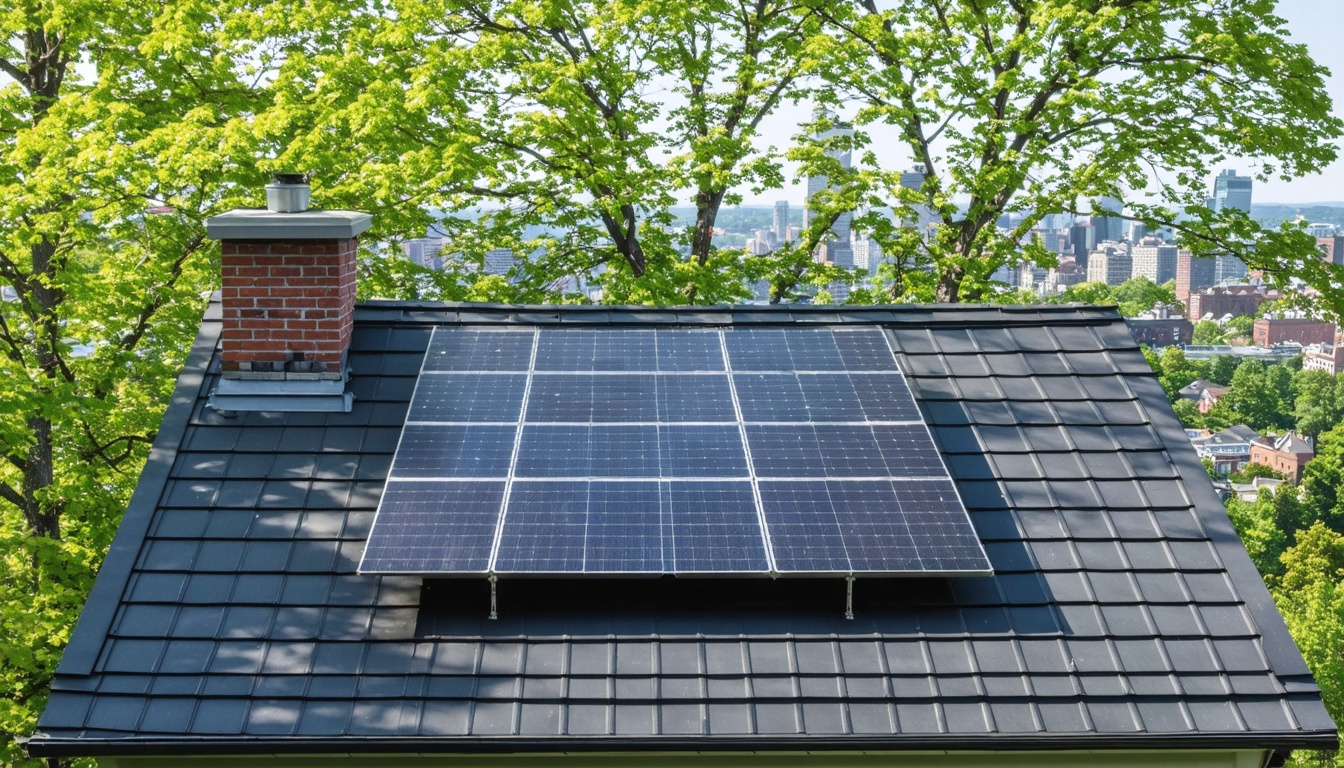
Solar Ready Roof Upgrades That Matter for Homes in Yonkers, New York
If you are considering solar energy for your home in Yonkers, it's important to evaluate whether your roof can meet the requirements associated with solar panel installation. This means ensuring that your roof is not only structurally sound but also compliant with local building codes. Additionally, certain upgrades may be necessary to optimize your roof for solar energy use, which can enhance your home's overall value and potentially result in long-term energy savings. When assessing your roof for solar readiness, consider the age and condition of your roofing material, as well as its weight capacity to support solar panels. Strong and durable materials will better sustain the additional load of solar installations. Furthermore, it may be beneficial to evaluate the orientation and pitch of your roof, as these factors can influence the efficiency of solar energy generation. Before making any decisions, it is advisable to consult with experts who are knowledgeable about local regulations and the specifics of solar installations in this area. They can provide guidance on necessary upgrades and incentives that may be available, which can further support financial savings over time. Careful planning and execution of these upgrades will ensure your roof is adequately prepared for solar panel installation.
Assessing the Structural Stability of Your Flat Roof
Before installing solar panels on a flat roof, it is important to assess the structural capacity of the roof to ensure it can support the additional weight. Engaging a qualified structural engineer for a thorough evaluation is recommended. This assessment should include an inspection for any existing weaknesses, signs of deterioration, or other factors that may affect the structural integrity after the installation of solar panels.
In New York State, flat roofs can support solar panel installations, along with systems such as electric vehicle (EV) charging stations and battery storage units, as long as the roof is structurally sound. It is advisable to seek consultation services for both commercial and residential properties to make informed decisions regarding the installation of these systems.
In Yonkers, there are resources available to assist homeowners in evaluating upgrade options. These services often include guidance on available incentives and the selection of appropriate solar panel systems.
For more detailed information or to obtain a quote, interested parties are encouraged to reach out for further assistance.
Evaluating Roof Age and Addressing Surface Damages
When evaluating the installation of solar panels on a flat roof, careful consideration of the roof's structural integrity and surface condition is necessary. The age of the roof is a significant factor in this assessment; while roofs older than 15 years can be considered for solar installations, their overall maintenance history is crucial. A well-maintained roof may still support solar technology effectively.
Prior to installation, it is important to address any existing issues, such as curling shingles, corrosion, or evidence of water damage, through appropriate repairs. Consulting with qualified contractors can help identify any necessary upgrades that may improve the roof's ability to support solar panels, thereby enhancing the overall efficiency of the energy system.
In addition to structural considerations, individuals should be aware of potential state incentives that may provide financial benefits at the time of solar installation.
For a thorough evaluation and tailored guidance regarding your specific roofing situation, seeking a consultation is advisable. If a new roof is needed before solar panel installation, this requirement should be included in the assessment.
Optimizing Roof Orientation and Managing Shade
Proper roof orientation is essential for optimizing the efficiency of solar installations in Yonkers. A south-facing roof, ideally at an angle of around 30 degrees, is recommended as it allows solar panel systems to capture the maximum amount of sunlight.
It is also critical to assess shading factors in New York, as shaded areas, even on flat roofs, can significantly reduce the energy output of solar installations due to obstructions from trees, nearby buildings, or other structures.
To improve solar energy absorption and efficiency, several strategies can be implemented. Options such as solar canopies, tilt racks, and battery storage systems can help address shading issues and enhance energy capture.
Conducting a comprehensive site evaluation prior to installation is advisable. This assessment can provide valuable insights into necessary infrastructure upgrades and inform about potential incentives available for solar installation.
For specific evaluations or guidance on residential and commercial roofing solutions, scheduling a consultation may facilitate an informed decision regarding solar energy implementation.
Coordinating Roof Repairs and Solar Installation Timing
Coordinating roof repairs with the solar installation schedule can help reduce complications associated with both projects. Conducting thorough site evaluations is crucial to assess the condition of both flat and sloped roofs prior to installation.
In New York State, there is often a requirement to confirm that the roof does not need replacement before solar panels can be installed. Engaging certified roofing contractors and structural engineers is advisable to ensure that the home meets the necessary stability criteria for solar upgrades and additional features such as electric vehicle charging stations and battery storage systems.
During the permitting process, certain repairs, including resealing, may be executed to facilitate a more efficient installation timeline.
For further information or to receive a quote, it is recommended to schedule a consultation to identify suitable solutions for both residential and commercial projects. Making informed decisions early in the process can contribute to achieving favorable outcomes over time.
Understanding Costs and Tax Credit Eligibility for Roof Work
When evaluating the costs associated with solar installations in Yonkers, it is important to understand the financial implications of any necessary roof upgrades and the eligibility criteria for tax incentives.
Distinguishing between routine maintenance and significant repairs or full replacements is vital, as these factors can greatly impact your overall project expenses.
The federal solar tax credit permits homeowners to deduct 30% of qualifying expenses related to solar panel systems, battery storage, and required enhancements to the roof, including structural improvements.
It is important to recognize that minor repairs generally do not meet the criteria for tax incentives.
To ensure the best financial outcome, it is recommended to conduct a comprehensive consultation.
This process can provide a detailed estimate, outline potential incentives, and identify the most appropriate roofing solution as you proceed with your solar installation project.
Selecting Qualified Roofing and Solar Contractors
When considering roof upgrades for solar installations in Yonkers, a careful evaluation of potential contractors is crucial. It is important to select qualified roofing and solar installers by verifying their state certifications and assessing their experience with both solar panel systems and flat roof upgrades.
Key factors to evaluate include the contractor’s track record and customer reviews regarding prior installations. Inquiries should be made about warranties, installation procedures, and available financial incentives to ensure clarity from the beginning.
Experienced contractors can also offer insights into related services such as electric vehicle (EV) charging solutions, energy storage systems, and strategies to manage shading, all of which could enhance energy efficiency.
NY Solar State Farm is an organization that provides services for both residential and commercial projects. They hold recognition for their recent projects and have a status with the New York State Energy Research and Development Authority (NYSERDA), which could impact the financial incentives available to customers.
For those considering solar roof upgrades, it is advisable to request a quote or consultation to facilitate an informed decision. Additionally, reviewing career opportunities and privacy policies associated with the services offered may be beneficial.
Integrating Smart Home and Energy Management Solutions
The integration of solar power with home automation systems can serve as an effective method for improving energy management in homes. By implementing smart panel systems, homeowners are able to monitor both solar energy production and household consumption, which may contribute to greater energy efficiency.
Pairing solar panels with battery storage solutions is advisable as it offers a reliable backup power source during grid outages and can also support energy needs during periods of high demand.
Moreover, employing smart scheduling for electric vehicle (EV) charging and other activities that require substantial electricity can further optimize energy use, particularly in cases where factors such as shading or roof design may limit solar power generation.
Homeowners interested in solar upgrades should research available incentives through state programs, which can help reduce the cost of installation. Consulting with professionals for a detailed quote or consultation is also advisable to make an informed decision about the most suitable energy management solution based on individual circumstances.
Enhancing Home Value with Comprehensive Solar Upgrades
Upgrading to a solar-ready roof can increase property values in Yonkers, New York, reflecting the rising demand among buyers for homes that incorporate efficient energy solutions. The integration of solar panels, alongside relevant enhancements such as roof repairs or replacements, electric vehicle (EV) charging stations, and battery storage systems, can improve energy efficiency and attract environmentally conscious buyers.
There are also available financial incentives from both state and federal programs, including a tax credit that covers 30% of solar installation costs, which may improve the return on investment for homeowners considering these upgrades.
For properties with flat roofs or those in need of roof replacements, engaging with a reputable Solar Energy Provider can provide targeted advice based on specific requirements.
Implementing these energy-efficient upgrades not only results in potential energy savings but also enhances a property's position in the real estate market.
Homeowners interested in understanding the advantages of these upgrades should consider obtaining a quote and consultation. Making informed decisions that prioritize future energy efficiency can be beneficial for both property value and long-term energy costs.
Conclusion
Upgrading your Yonkers home with a solar-ready roof is a strategic decision that can enhance your property’s value and energy efficiency. It is essential to consider several factors when planning this upgrade, including roof stability, compliance with local regulations, appropriate enhancements, and engaging qualified professionals. A solar-ready roof typically requires structural integrity to support solar panels, ensuring safety and longevity. This implies that existing roofs may need reinforcement or complete replacement depending on their age and condition. Understanding local building codes is crucial, as they dictate specific requirements for solar installations, including permitted materials and environmental impact assessments. Implementing smart upgrades, such as choosing durable materials and optimal roof pitch, can contribute to the efficiency of solar energy systems. Additionally, working with experienced contractors can provide insights into the latest technologies and methods available for residential solar solutions, thus ensuring that the installation is both effective and compliant. Overall, a well-planned solar-ready roof can lead to reduced energy costs, an increase in property value, and a decrease in carbon footprint. When approached with careful consideration of these factors, the transition to solar energy can align with both immediate and long-term homeowner objectives.